

Understanding Car Rental Pricing in Uganda. Planning a trip to Uganda is an exciting journey into one of East Africa’s most biodiverse and culturally rich destinations. Whether you are heading to Bwindi Impenetrable Forest for gorilla trekking, exploring the savannah plains of Queen Elizabeth National Park, or navigating the vibrant streets of Kampala, having your own transport can transform the experience. However, understanding how car rental pricing works in Uganda can be confusing, especially for first-time visitors. This guide breaks down everything you need to know, from vehicle types to hidden costs, so you can budget smartly and travel with confidence.
The Basics of Car Rental Pricing in Uganda
Car rental rates in Uganda are generally quoted in US dollars and vary significantly depending on the type of vehicle, rental duration, season, and whether you opt for a self-drive or chauffeur-driven arrangement. As a general rule, daily rates for a basic saloon car in and around Kampala start from as low as $30 per day, while a fully-equipped 4×4 Safari Land Cruiser for a national park adventure can cost anywhere between $120 and $250 per day.
Most reputable providers, including Pick & Transfer, structure their pricing around three key variables: the vehicle category, the mileage policy, and whether a driver is included. Understanding these three pillars is the first step to making sense of any quotation you receive.
Vehicle Type and Its Impact on Price
The single biggest driver of rental cost is the vehicle category. Uganda’s diverse terrain — from smooth city tarmac to rugged unpaved park tracks — demands different vehicles for different purposes.
Compact saloon cars and sedans are the cheapest option and are well-suited for city transfers, airport pickups, and paved highway travel. If you are planning corporate errands or hotel-to-hotel transfers around Kampala or Entebbe, these are your most cost-efficient choice. You can explore the full range of available options on the Pick & Transfer Fleet Page.
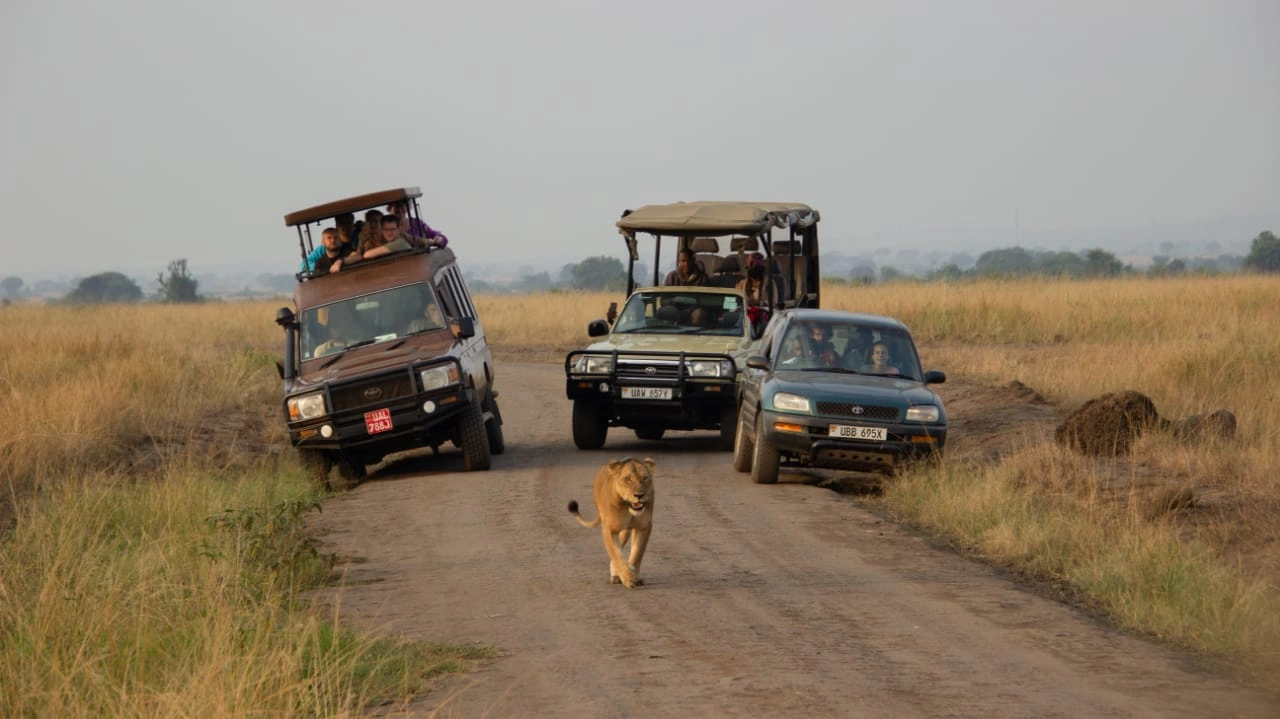
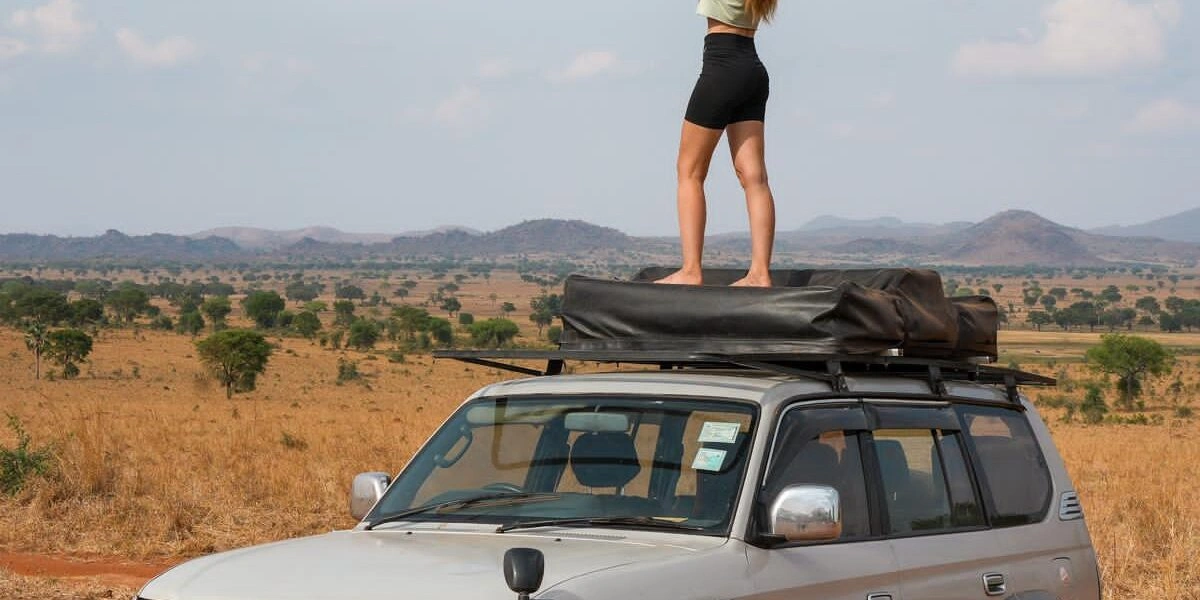
For wildlife safaris and national park exploration, a 4×4 vehicle is not just preferable — it is often essential. Roads leading into parks like Murchison Falls or Kidepo Valley are rough, steep, and seasonally muddy. 4×4 Toyota Land Cruisers and Safari Vans dominate this segment and command premium rates. If you are planning an adventure that takes you from Kigali to Bwindi, it is worth reading up on gorilla trekking safaris from Kigali to understand the type of transport best suited for such routes.
Minibuses and coach buses are ideal for larger groups, schools, corporate delegations, or religious organisations, and these are typically priced by the trip or by the day with a mileage cap.
Self-Drive vs. Chauffeur-Driven: A Cost Comparison
One of the most important decisions you will make is whether to drive yourself or hire a professional driver. Self-drive options are gaining popularity among experienced travellers who hold a valid international driving permit and feel comfortable navigating unfamiliar roads. Self-drive rates are typically 15–25% lower than chauffeur-driven options since you are not paying for the driver’s daily wage, meals, or accommodation.
However, Uganda’s roads present unique challenges — unpredictable traffic in Kampala, poorly marked rural roads, and animals crossing in wildlife corridors. Many travellers find that the peace of mind and local expertise provided by a professional driver is well worth the extra cost. Pick & Transfer’s booking platform makes it easy to choose between both options and get an instant quote based on your route and schedule.
According to Uganda’s official tourism body, Visit Uganda, most national parks recommend guided or chauffeur-driven experiences to enhance wildlife spotting and ensure visitor safety.
Understanding Mileage, Fuel, and Insurance Costs
Many travellers are caught off guard by additional charges that are not always clearly advertised upfront. Here is what to watch out for:
Mileage Limits: Some operators offer unlimited mileage, while others cap daily kilometres at 100–200 km. Exceeding these limits attracts a per-kilometre surcharge, which can significantly inflate your final bill on long-distance safaris.
Fuel Policy: The vast majority of Uganda car rental agreements operate on a “full to full” policy — you receive the car with a full tank and return it full. Fuel in Uganda is priced in Ugandan Shillings, and pump prices are regulated but fluctuate. Budgeting around 5,000 UGX per litre is a reasonable estimate at the time of writing.
Insurance: Basic third-party insurance is usually included in quoted rates, but comprehensive insurance covering collision damage and theft waivers often costs extra. Always confirm what is covered before signing any agreement.
Cross-border trips to Rwanda, Kenya, or Tanzania attract additional fees for border permits, transit insurance, and sometimes a one-way drop-off surcharge. If you are planning a Kigali-to-Kampala road transfer, Kenlink Tours provides useful guidance on cross-border requirements and what to expect at immigration checkpoints along the Kigali to Kampala route.
Seasonal Pricing: When You Travel Matters
Like most safari destinations, Uganda operates on a peak and low season pricing model. The dry seasons — June to September and December to February — are considered peak travel periods when gorilla permits sell out fast and rental demand surges. During these months, prices can rise by 20–40% across most vehicle categories.
The wet seasons, particularly March to May and October to November, offer lower rental rates and fewer crowds. However, muddy roads in park areas can make certain routes impassable without a high-clearance 4×4.
Tips for Getting the Best Car Rental Deal in Uganda
Getting good value in Uganda’s car rental market requires a bit of planning and the right questions. Here are some practical tips:
Book early, particularly during peak gorilla trekking season. Demand outstrips supply, and last-minute bookings cost significantly more. Compare quotes from multiple operators and always request a full written breakdown of what is included. Ask specifically about fuel policy, mileage caps, driver accommodation, and insurance.
Choose a provider with proven reliability. Pick & Transfer has been connecting passengers to destinations across Uganda, Rwanda, and beyond since 2006, building a reputation for professional drivers, well-maintained vehicles, and transparent pricing. If you have questions before booking, their team is available through the Contact Us page and responds around the clock.
Final Thoughts
Uganda is a destination that rewards those who explore it thoughtfully, and having the right vehicle at the right price makes all the difference. Whether you are doing a quick airport transfer in Entebbe or embarking on a multi-week safari across the country’s national parks, understanding how car rental pricing works puts you firmly in control of your travel budget. Take time to compare, ask the right questions, and partner with trusted local operators who know Uganda’s roads as well as they know its wildlife.
For bookings, fleet enquiries, or custom transfer quotes across Uganda and East Africa, visit Pick & Transfer or reach out through their online booking portal.
Related posts


Leave a Comment