
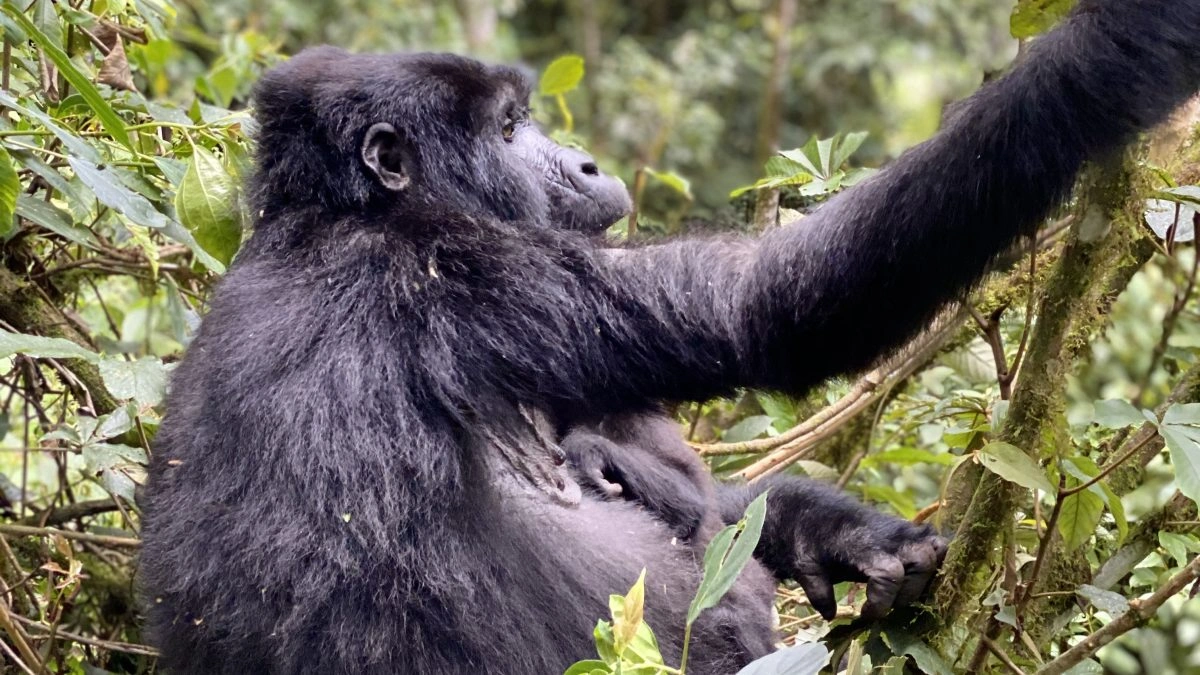
Gorilla Trekking Safaris in Bwindi Starting from Kigali Rwanda. There are fewer wildlife experiences on earth as profound as standing just meters away from a wild mountain gorilla in the misty highlands of Bwindi Impenetrable National Park. Uganda is home to more than half of the world’s remaining mountain gorillas — over 1,000 individuals living across 20 habituated families — and the most efficient way to reach them is by starting your journey from Kigali, Rwanda. This guide covers everything from choosing the right Bwindi sector and understanding gorilla families to securing permits, selecting safari packages, and arranging the logistics of a cross-border gorilla trekking adventure.
Why Start Your Gorilla Trek from Kigali Instead of Entebbe
The single biggest reason to start from Kigali is time. The drive from Kigali International Airport to Bwindi’s southern sectors takes approximately 4 hours. The same journey from Entebbe or Kampala takes 8 to 12 hours. For travelers with limited vacation time, this difference is transformative — it means you can fly into Kigali in the morning, reach your lodge by afternoon, and be trekking with gorillas the very next day.
The financial advantage is equally compelling. Rwanda’s gorilla trekking permits cost $1,500 per person at Volcanoes National Park, while Uganda’s permits are $800 per person for the standard experience and $1,500 for the exclusive gorilla habituation experience that gives you four hours with a semi-habituated family. By flying into Kigali and trekking in Uganda, you access the same extraordinary wildlife encounter at nearly half the permit cost.
The drive itself is a highlight. Rwanda’s famously clean and well-maintained roads wind through the “Land of a Thousand Hills,” passing terraced farmlands, volcanic peaks, and vibrant market towns before crossing into Uganda’s emerald highlands. It is a journey that builds anticipation for the encounter ahead.
Permit Costs at a Glance
Uganda standard gorilla permit: $800 per person (1 hour with gorillas) | Uganda gorilla habituation permit: $1,500 per person (4 hours with gorillas, Rushaga sector only) | Rwanda gorilla permit: $1,500 per person (1 hour with gorillas). Permits are strictly limited — book months in advance through a licensed operator or arrange your transfer and permit together.
Understanding Bwindi’s Four Gorilla Trekking Sectors
Bwindi Impenetrable National Park is divided into four distinct trekking sectors, each with its own trailhead, gorilla families, and character. The sector you are assigned determines your trailhead location, which in turn affects your drive time from Kigali and your accommodation options. Understanding these sectors is essential for planning your safari.
Rushaga Sector — Southern Bwindi
The closest sector to Kigali (approximately 4 hours) and the most popular for Kigali-starting safaris. Rushaga has the highest number of habituated gorilla families — including Nshongi, Bweza, Mishaya, Kahungye, Busingye, Rwigi, Bikyingi, and Mucunguzi — giving it the greatest permit availability. It is also the only sector offering the gorilla habituation experience, where you spend four hours with a semi-habituated family instead of the standard one hour.Read more about gorilla trekking in Rushaga from Kigali
Nkuringo Sector — Southern Bwindi
Also easily accessible from Kigali (4 to 4.5 hours via the Cyanika border). Nkuringo is known for its dramatic ridge-top views over the Bwindi forest canopy and offers a more intimate, less-crowded trekking experience. The sector is home to the Nkuringo gorilla family and the Christmas family, which was habituated more recently. Accommodation here ranges from luxury lodges with panoramic views to comfortable mid-range options.
Ruhija Sector — Eastern Bwindi
A quieter sector accessible from Kigali in about 5 to 5.5 hours via the Katuna border. Ruhija is home to four gorilla families: Bitukura (known for being playful and peaceful), Oruzogo (a large family of 22 members), Mukiza, and Kyaguriro (primarily a research group). Ruhija’s higher elevation means cooler temperatures and excellent birdwatching alongside the gorilla trek.
Buhoma Sector — Northern Bwindi
The oldest and most established trailhead, where gorilla tourism in Uganda began in 1993. Buhoma is home to five habituated families including the historic Mubare family (the first to be habituated), Habinyanja, Rushegura, Katwe, and Binyido. It is the furthest sector from Kigali at 5.5 to 6 hours, but offers the widest range of accommodation and the most developed infrastructure.Explore the Buhoma sector in detail
Gorilla Families in Bwindi: What You Need to Know
Bwindi’s 20 habituated gorilla families each have their own personality, size, and dynamics. While you cannot choose a specific family — the Uganda Wildlife Authority assigns families based on permit availability, fitness levels, and logistics — understanding the families helps set expectations and adds depth to your experience.
In Rushaga, the Nshongi family is the largest habituated group with 26 members, while the Busingye family is known for its playful infants. The Mishaya family, led by a famously combative silverback, split from the Nshongi group. In Buhoma, the Rushegura family is often considered the calmest and easiest to track, while the Habinyanja family tends to range widely and can require a full day of hiking. In Ruhija, the Bitukura family is celebrated for its peaceful demeanor and was habituated in a record 15 months. For a complete breakdown of every family, this guide to gorilla families in Uganda provides detailed profiles of each group.
Each gorilla family is visited by a maximum of 8 tourists per day, accompanied by armed rangers and experienced trackers. The trek to locate your assigned family can take anywhere from 30 minutes to 6 hours depending on their location that day. Once found, you spend exactly one hour observing them — a regulation designed to minimize stress on the gorillas and reduce disease transmission risk.
Safari Itineraries: From 2-Day Express to 7-Day Adventures
One of the greatest advantages of starting from Kigali is the flexibility it gives you in designing your itinerary. Whether you have a single weekend or two weeks, there is a gorilla trekking safari that fits your schedule.
2-Day Express Safari
Day 1: Transfer from Kigali to Bwindi, cross the border, check into your lodge. Day 2: Gorilla trek at dawn, receive your trekking certificate, then drive back to Kigali. Perfect for travelers with extremely limited time. View 2-day itinerary
3-Day Classic Safari
The most popular option. Day 1: Kigali to Bwindi with a visit to the Kigali Genocide Memorial. Day 2: Full gorilla trekking experience with optional Batwa cultural visit. Day 3: Return to Kigali at a relaxed pace. View 3-day itinerary
5-Day Gorilla & Culture Safari
Adds Lake Bunyonyi canoe rides, Batwa pygmy community experiences, and a second day for gorilla habituation or a nature walk. A richer, more immersive experience. View 5-day itinerary
7-Day Primates & Wildlife Safari
Combines gorilla trekking with chimpanzee tracking in Kibale, game drives in Queen Elizabeth NP, and the scenic crater lakes region. The ultimate primate and wildlife experience. View 7-day itinerary
For travelers wanting to combine gorillas and chimpanzees in a single trip starting from Kigali, a 4-day gorilla and chimpanzee tracking safari from Kigali offers an efficient itinerary that covers both Bwindi and Kibale Forest National Park. For the most comprehensive primate experience, the 5-day gorilla and chimpanzee tour adds golden monkey tracking in Mgahinga.
Securing Your Gorilla Permit: Timing and Process
Gorilla permits are the single most critical element of your safari, and they sell out fast — particularly during the peak dry seasons of June through September and December through February. Only 8 visitors are allowed per gorilla family per day, and with roughly 20 habituated families across Bwindi and Mgahinga, daily availability is extremely limited. Booking at least 3 to 6 months in advance is strongly recommended, and during peak season, some dates sell out a year ahead.
Permits are issued by the Uganda Wildlife Authority and can be purchased directly or through a licensed tour operator. Most travelers find that booking through an operator is far simpler — the operator handles the permit purchase, confirms the sector assignment, and coordinates it with your accommodation and transfer logistics. When you book a gorilla trekking safari through Kenlink Tours, your permit is included in the package, eliminating the risk of missing out.
For the habituation experience in Rushaga, availability is even more restricted — only 4 visitors per day are permitted with the semi-habituated family, making these permits the rarest and most sought-after. If the habituation experience is your goal, book as early as possible and be flexible with your dates.
Transportation: Getting from Kigali to Bwindi in Comfort
The road journey from Kigali to Bwindi involves crossing the Rwanda-Uganda border, navigating a mix of paved highways and rural dirt roads, and reaching lodges that are often located deep in the highlands. A professional private transfer is not just a convenience — it is essential for a smooth, safe, and timely arrival.
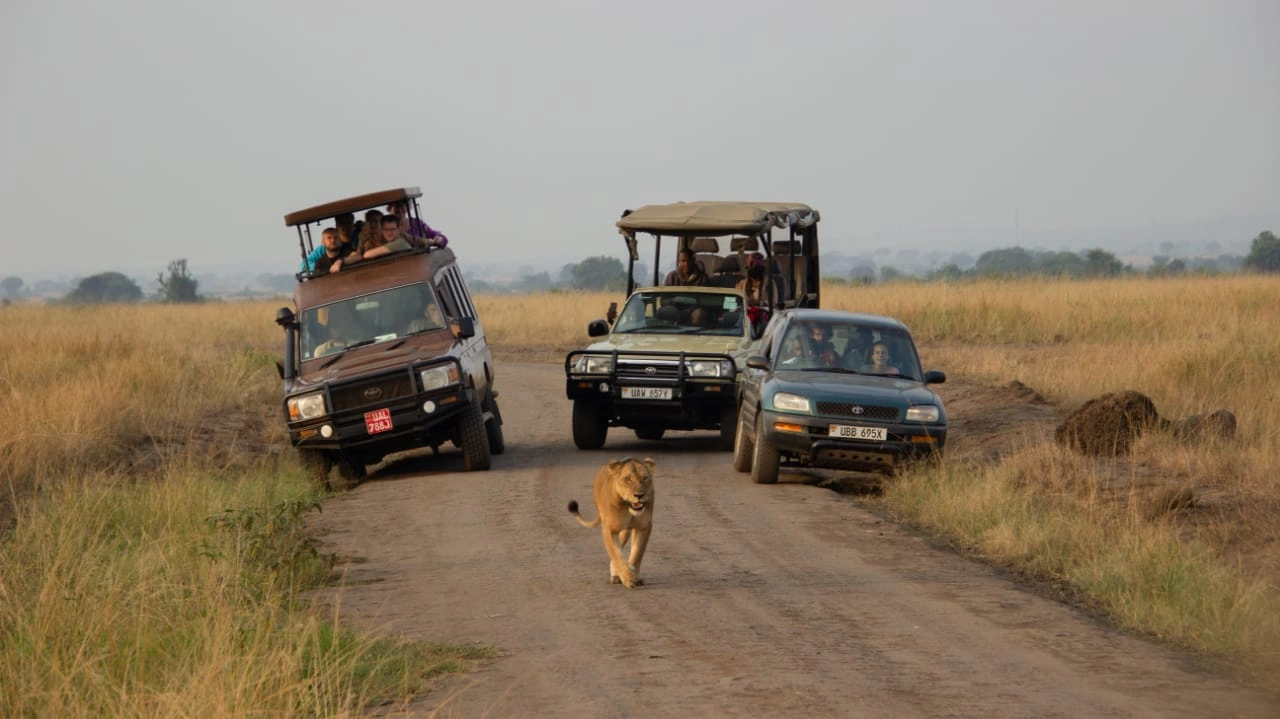
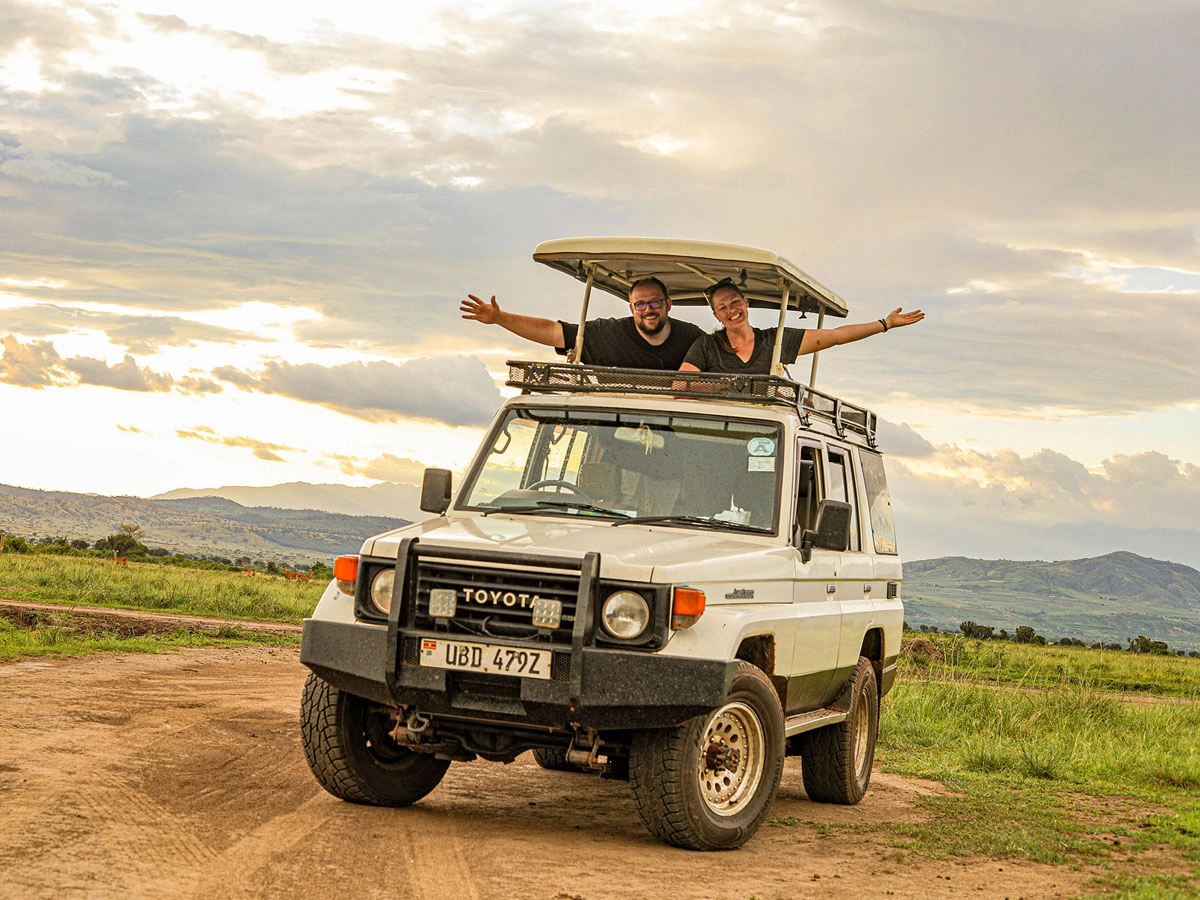
Pick and Transfer operates a fleet of vehicles specifically suited to this route. The Safari Landcruiser is the most popular choice — its elevated seating provides excellent views of the volcanic landscape, the pop-up roof is perfect for photography stops, and the 4×4 capability handles the dirt roads approaching Bwindi with ease. For couples or small groups seeking extra comfort, the Prado Landcruiser TXL offers a premium ride. Larger groups benefit from the Toyota Hiace, which balances comfort with cost-effectiveness.
Your driver handles the border crossing process, assists with immigration paperwork, and knows the optimal route based on your assigned Bwindi sector. For a comprehensive overview of cross-border vehicle options, see the car hire guide for Uganda and Rwanda.
Best Time to Go Gorilla Trekking from Kigali
Bwindi is open for gorilla trekking year-round, but the experience varies significantly by season. The dry seasons — June through September and December through February — offer the most favorable trekking conditions. Trails are drier and less slippery, gorillas tend to stay at lower elevations making them easier to reach, and the risk of rain during your trek is lower. These months also coincide with peak tourist demand, so permits sell out fastest and lodge rates are at their highest.
The wet seasons — March through May and September through November — are the insider’s choice. While you should expect rain (Bwindi is a rainforest, after all), the advantages are real: permits are easier to secure, lodges offer lower rates, the forest is at its most lush and vibrant, and you will share the experience with far fewer fellow tourists. The gorillas do not mind the rain — and with proper rain gear, neither will you.
Regardless of when you visit, Bwindi’s elevation (1,160 to 2,607 meters) means temperatures are cool and pleasant, typically ranging from 7 to 20 degrees Celsius. Mornings and evenings can be chilly, so packing layers is essential.
What to Pack for Your Gorilla Trekking Safari
Proper preparation makes the difference between a challenging trek and an enjoyable one. The terrain in Bwindi is steep, muddy, and dense — you will be hiking through thick vegetation with no established trails. Here is what experienced trekkers recommend.
Essential Packing List
✓Sturdy hiking boots with good ankle support
✓Long-sleeved shirt and long trousers
✓Waterproof rain jacket or poncho
✓Gardening gloves for gripping vegetation
✓Insect repellent and sunscreen
✓Camera (no flash permitted near gorillas)
✓Waterproof daypack for gear
✓Warm layers for cool mornings
Porters are available at each trailhead for a fee of approximately $15 to $20, and hiring one is highly recommended. They carry your daypack, help you navigate difficult terrain, and provide invaluable support on steep sections. Hiring a porter also directly supports the local community and contributes to conservation by giving families an economic alternative to poaching.
Booking Your Gorilla Trekking Safari from Kigali
The most seamless way to plan your gorilla trekking safari is to book a complete package that includes your permit, accommodation, transportation, and guide services. This eliminates the complexity of coordinating multiple bookings across two countries and ensures every element of your trip is aligned.
For your cross-border transfer from Kigali to Bwindi, book your private transfer through Pick and Transfer — specify your Kigali arrival details, assigned Bwindi sector, and group size. For the full safari experience including permits, lodges, and activities, Kenlink Tours offers expert planning and comprehensive packages. If you have questions about routes, border crossings, or vehicle options, the Pick and Transfer team is ready to help.
Related posts

Leave a Comment