
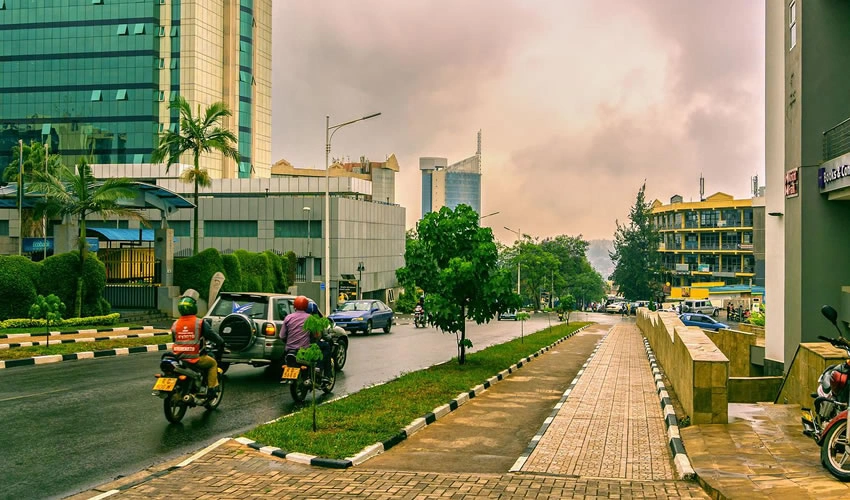
Driving from Kigali to Kampala: What You Need to Know. Planning a road trip from Kigali, Rwanda’s clean and organized capital, to Kampala, the vibrant heart of Uganda? You are in for one of East Africa’s most rewarding overland journeys. Whether you are travelling for business, tourism, or a gorilla trekking adventure, understanding the route, border requirements, and logistics ahead of time makes all the difference. This guide covers everything you need to know before you set off.
How Far Is It from Kigali to Kampala?
The distance from Kigali to Kampala via the main Gatuna–Katuna border crossing is approximately 530 kilometres. Under normal conditions, expect the total drive to take between 8 and 10 hours, including a stop at the border and one or two rest breaks along the way. The route passes through Rwanda’s rolling green hills, drops into the Uganda highlands, and eventually flattens out through Kabale, Mbarara, and Masaka before reaching Kampala. The scenery throughout is genuinely beautiful, and the roads on both sides are fully tarmacked and well maintained.
The Best Route to Take
The most reliable and commonly used route runs through the Gatuna border on the Rwandan side and Katuna on the Ugandan side. From Kigali, you head north through Rwanda before crossing into Uganda, then continue southwest through Kabale and north through Mbarara and Masaka to Kampala. According to Kenlink Tours, road conditions from Kigali to the border are excellent, with clear signage and a smooth driving surface all the way.
An alternative route uses the Mirama Hills (Ntungamo) border, which is ideal for travellers heading toward Mbarara or those who want to avoid heavier traffic at Gatuna. If you are also planning to visit Bwindi Impenetrable National Park, the Cyanika or Kagitumba crossings offer direct access to the south of Uganda — see our full guide on Gorilla Trekking Safaris in Bwindi Starting from Kigali for those options.
Documents and Border Crossing Requirements
Crossing from Rwanda into Uganda requires the right paperwork. Missing even one document can cause significant delays at the border, so prepare everything before you leave Kigali.
You will need a valid passport with at least six months of validity remaining. Citizens of many countries can obtain a Uganda visa on arrival, but it is far more convenient to apply online in advance through the Uganda e-Visa portal. The fee is currently USD 50 for a single-entry visa. A more cost-effective option for cross-border East Africa travel is the East African Tourist Visa, which covers Uganda, Rwanda, and Kenya for 90 days at USD 100. This is the recommended choice for travellers moving between the two countries.
You will also need a yellow fever vaccination certificate. This is a firm requirement at the Ugandan border and is checked consistently. Carry the physical card — a phone photo may not be accepted.
When you travel with a professional transport operator like Pick & Transfer, your driver assists with immigration and customs procedures at the border, making the crossing significantly smoother. The team is experienced with cross-border documentation for both Ugandan and Rwandan entry requirements.
What to Expect on the Road
The first stretch from Kigali to Gatuna is excellent — smooth tarmac, light traffic outside of rush hour, and Rwanda’s famously clean roadside scenery. After crossing into Uganda, the road through Kabale to Mbarara is equally good, with well-marked highways and regular fuel stations.
Traffic becomes noticeably heavier from Masaka into Kampala, particularly in the late afternoon. If you are doing the drive in a single day, aim to depart Kigali no later than 6:00 AM to arrive in Kampala during the early evening before the city’s notorious rush hour kicks in.
Rest stops are easy to find. The towns of Kabale and Mbarara both have clean restaurants, fuel stations, and ATMs. Ugandan shillings are widely accepted from the Katuna border, and most forex bureaux along the route offer fair exchange rates. It is advisable to change some money before crossing, as the rates at the border itself are not always competitive.
Choosing the Right Vehicle for the Journey
The vehicle you choose directly affects your comfort and your schedule. For a 500-kilometre journey with border stops, a spacious, air-conditioned vehicle with reliable suspension is worth every shilling. Pick & Transfer’s fleet includes options suited to solo travellers, families, and large groups — from sedans and Toyota Hiaces to full safari Landcruisers ideal for those continuing to game parks after arriving in Uganda.
If you are a group of four or more, a private Landcruiser or Hiace offers the best value per person and the flexibility to stop where you want, adjust your departure time, and avoid the rigid schedules of shared buses. As highlighted by Kenlink Tours’ Kigali-to-Uganda transfer guide, private transfers also allow you to combine the journey with safari stops at destinations like Lake Bunyonyi or Queen Elizabeth National Park.
Safety Tips for the Drive
Daytime travel is strongly recommended. While the roads are in good condition, visibility drops significantly after dark and long-distance night driving increases risk. Experienced professional drivers who know the route are a major asset — they are familiar with speed limits, police checkpoints, and the specific quirks of both Rwandan and Ugandan traffic rules.
Ensure your vehicle has insurance coverage valid in both countries. Pick & Transfer vehicles are fully insured and road-compliant across the region. It is also worth confirming that your driver carries a valid international driving permit if you are on a self-drive arrangement.
The Best Time to Make the Drive
The dry seasons — June to September and December to February — offer the most predictable driving conditions with minimal risk of road delays from rain. The rainy months of March to May and October to November are still manageable, but occasional afternoon downpours can slow things down, particularly on some of the narrower Ugandan sections near Kabale.
Book Your Transfer with Pick & Transfer
Ready to make the drive? Whether you need a one-way transfer to Kampala, a round trip with stops in between, or a full package that combines ground transport with a safari itinerary, Pick & Transfer has you covered across Uganda and Rwanda. Visit the booking page to get a personalised quote, or reach out directly through the contact page for route advice and availability. Our team is available seven days a week to help you plan the journey from start to finish.
Related posts

Leave a Comment