
How Gorilla Tourism Supports Local Communities. Now I have all the links I need. Let me write the full blog post.
How Gorilla Tourism Supports Local Communities in Uganda and Rwanda
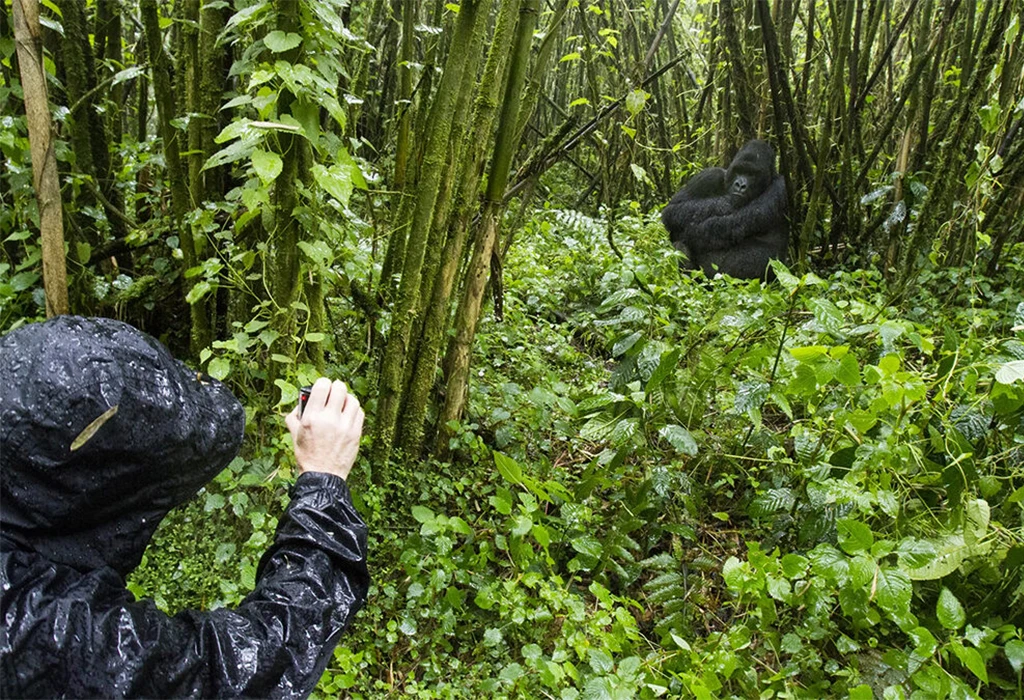
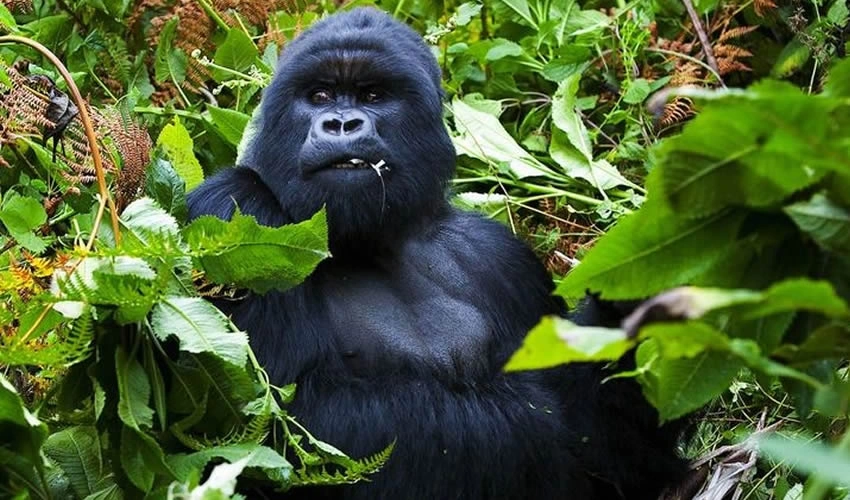
Mountain gorillas are among the most awe-inspiring creatures on Earth — and trekking through the mist-laden forests of Uganda and Rwanda to encounter them face-to-face is an experience that changes lives. But gorilla tourism is not just about the thrill of a once-in-a-lifetime wildlife encounter. Behind every trek, every permit, and every guided forest walk is a powerful story of conservation, community empowerment, and sustainable development. Gorilla tourism has quietly become one of the most transformative forces in East Africa — lifting communities out of poverty, funding conservation, and giving local people a genuine reason to protect the very forests their livelihoods depend on.
In this blog, we explore exactly how gorilla tourism supports local communities, and why booking a responsible gorilla safari with trusted operators like Pick and Transfer Safaris can make you part of this incredible story.
The Economics of Gorilla Tourism: Where the Money Goes
When you purchase a gorilla trekking permit in Uganda — currently priced at USD $700 — or in Rwanda at USD $1,500, you might wonder where that money ends up. The answer is deeply encouraging. A significant portion of permit revenue is channeled directly into national park management, ranger salaries, and crucially, community development programs.
Uganda Wildlife Authority (UWA) has a well-established Revenue Sharing Programme that allocates 20% of gorilla permit fees to communities living adjacent to Bwindi Impenetrable National Park and Mgahinga Gorilla National Park. This funding is used for schools, clean water projects, health centres, road improvements, and agricultural support. Communities are not passive bystanders to tourism — they are active beneficiaries and partners in conservation.
In Rwanda, the Rwanda Development Board channels gorilla revenue into the Volcanoes National Park buffer zone communities through the Revenue Sharing Scheme, helping fund infrastructure and social programs that would otherwise be out of reach for these rural populations. If you are planning a Rwanda gorilla safari, know that your permit fee is doing far more than granting you an extraordinary hour with mountain gorillas.
Employment: Gorilla Tourism Creates Thousands of Jobs
One of the most direct and visible ways gorilla tourism supports local communities is through employment. The gorilla tourism industry supports a vast ecosystem of jobs — from park rangers and trackers to lodge staff, guides, porters, cooks, and maintenance workers. In areas like Buhoma and Nkuringo in Bwindi, communities that once depended almost entirely on subsistence farming now have access to steady, dignified employment.
Local trackers and guides play an especially critical role. Many of them are former poachers who have been retrained and now earn sustainable livelihoods through tourism. This transformation is one of the most remarkable conservation success stories on the continent — the same individuals who once threatened gorilla survival are today among their most dedicated protectors.
When you hire a local porter on your gorilla trek (which we highly recommend), you are directly putting money in the hands of a community member. Porters earn meaningful daily wages and often build long-term relationships with returning visitors. Booking your gorilla safari through responsible operators ensures that these employment chains remain intact and that the money you spend stays within the community.
Supporting Local Entrepreneurs and Small Businesses
Gorilla tourism does not only benefit those working directly in parks. The ripple effect extends far and wide across local economies. Guesthouses, restaurants, craft markets, cultural villages, and motorcycle taxi operators all benefit from the steady flow of tourists passing through gateway towns like Kisoro, Kihihi, and Ruhija in Uganda.
Women’s cooperatives, in particular, have flourished alongside gorilla tourism. Groups of local women weave baskets, make jewellery, and produce handcrafted souvenirs that travellers buy as meaningful mementos of their African journey. This entrepreneurial ecosystem gives women financial independence and a platform to showcase their cultural heritage to the world.
Cultural tourism experiences — such as village walks, traditional dance performances, and community coffee tours — have grown directly out of the gorilla tourism boom. These experiences enrich a visitor’s journey while creating additional income streams for communities. When you explore Uganda’s national parks and primate forests with a responsible operator, you are stepping into a network of community-based enterprises that depend on your visit.
Conservation Funding: Tourism Protects the Gorilla’s Future
The most profound way gorilla tourism supports local communities is by making gorilla conservation economically valuable. Before gorilla tourism existed, the forests of Bwindi and the Virungas were shrinking — cleared for farmland by communities struggling to survive. Today, those same communities have a powerful financial incentive to protect the forests. Healthy gorilla populations mean more tourists, more permits, more jobs, and more revenue-sharing funds.
This shift in perspective — from forest as obstacle to forest as economic asset — has been transformational. Local leaders now advocate for gorilla protection because they understand that the wellbeing of their communities is directly tied to the wellbeing of the gorillas and the forests they inhabit.
This is exactly the kind of sustainable impact that responsible safari operators strive to support. At Pick and Transfer, we partner with conservation-minded tour operators and lodges that reinvest in both wildlife and the people who live alongside it. Every safari we facilitate is designed to contribute positively to this ecosystem of mutual benefit.
You can also combine your gorilla trek with a chimpanzee tracking safari or a multi-day Uganda wildlife adventure to maximize your conservation contribution across multiple ecosystems.
Education and Healthcare: Long-Term Community Investment
Beyond the immediate economic benefits, gorilla tourism revenue funds long-term community development that transforms lives across generations. Schools built with tourism funds educate children who grow up understanding the value of conservation. Health clinics funded through revenue sharing serve thousands of families in remote communities that would otherwise have no access to medical care.
Organisations working in the Bwindi landscape have funded scholarships for children of local rangers and community members, created conservation education programs, and supported women’s healthcare initiatives — all made possible by the steady income generated by gorilla tourism. When a tourist books a 3-day Uganda gorilla safari, they are not just buying a wildlife experience. They are investing in a child’s education and a family’s access to healthcare.
This long-term investment in human capital creates a self-reinforcing cycle: educated, healthy communities are better equipped to become conservation leaders, tourism professionals, and advocates for sustainable development.
How You Can Be Part of the Solution
Gorilla tourism is most beneficial when travellers make intentional, responsible choices about how they book and experience it. Here is how you can ensure your gorilla trek has maximum positive impact on local communities:
Book through responsible operators. Choose safari companies that work with local guides, community lodges, and porters. Our safari packages are designed with community impact at their core.
Stay at community-run lodges. Accommodation options near Bwindi and the Virungas that are locally owned or community-managed put more money directly into local hands.
Hire a local porter. It is great exercise for you and meaningful income for a community member. It is one of the most direct financial contributions you can make during your trek.
Buy local crafts. Resist the temptation to purchase mass-produced souvenirs. Buy directly from women’s cooperatives and local artisans.
Book your transfers responsibly. Getting to gorilla country is part of the experience. Book your airport transfers and safari transportation with a company that understands the terrain, employs local drivers, and respects the environment.
Extend your stay. A longer trip means more spending in local communities. Consider combining your gorilla trek with a 7-day gorilla and wildlife safari to explore more of Uganda’s extraordinary national parks.
Conclusion: Every Trek Makes a Difference
The mountain gorilla’s story is one of the greatest conservation comebacks in history. From fewer than 620 individuals in the 1980s to over 1,000 today, these magnificent primates are thriving — and gorilla tourism is a central reason why. But the gorilla’s survival is inseparable from the wellbeing of the communities that share their landscape.
When you trek to see mountain gorillas, you are not simply an observer of nature. You are an active participant in a conservation model that sustains livelihoods, protects forests, funds schools, and safeguards one of the world’s most endangered species. Every permit purchased, every porter hired, every night spent at a community lodge sends a message: that these forests and the people who protect them are worth investing in.
Ready to be part of this incredible story? Contact Pick and Transfer today to start planning your gorilla safari in Uganda or Rwanda. We will handle every detail of your journey — from transfers and logistics to safari packages — so you can focus on what matters most: the moment you look into the eyes of a mountain gorilla and understand, completely, why they are worth protecting.
Related posts

Leave a Comment