
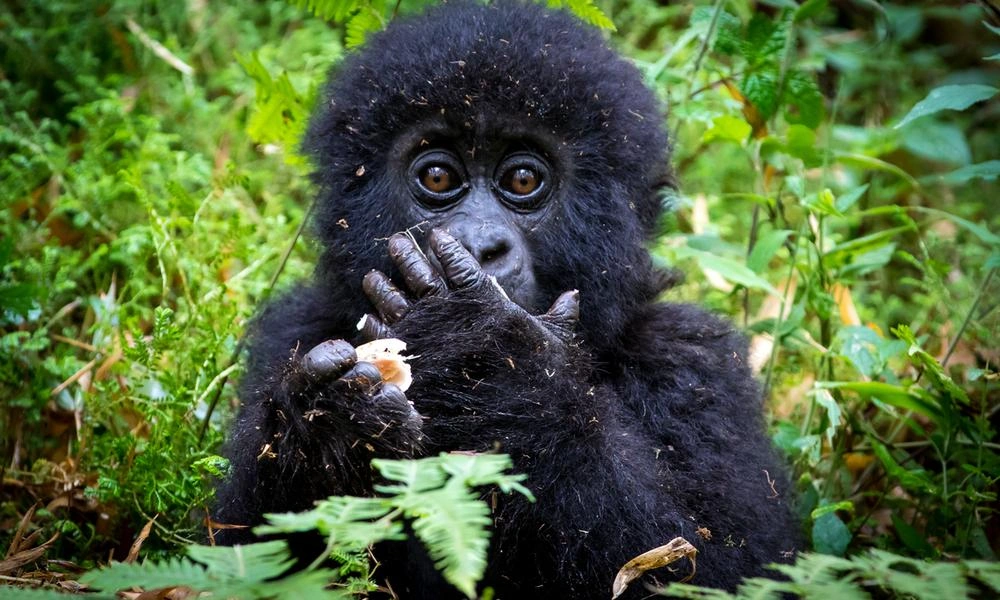
Gorilla Trekking Safari FAQs. If you have ever dreamed of standing just metres away from a wild mountain gorilla deep in the misty forests of East Africa, you are not alone. Gorilla trekking is widely regarded as one of the most extraordinary wildlife encounters on the planet — a bucket-list experience that leaves travellers speechless. But before you lace up your hiking boots, you probably have a lot of questions. This guide answers the most frequently asked questions about gorilla trekking safaris in Uganda and Rwanda, so you can plan your trip with complete confidence.
Whether you are booking through a trusted local operator like Pick and Transfer Safaris or researching your options, this FAQ is the only resource you need to get started.
Where Can You Go Gorilla Trekking in East Africa?
Mountain gorillas are found in only two countries in East Africa: Uganda and Rwanda. In Uganda, gorilla trekking takes place in Bwindi Impenetrable National Park and Mgahinga Gorilla National Park, both located in the southwest of the country. In Rwanda, trekking happens in Volcanoes National Park in the northern highlands.
Uganda is home to the largest population of mountain gorillas in the world and is generally considered the more affordable destination. Rwanda, while pricier, offers quicker access from Kigali and a shorter trek for many groups. Both destinations offer unforgettable encounters, and many travellers choose to combine both countries into one epic safari, starting with a transfer from Kigali to Bwindi for the best of both worlds.
How Much Does a Gorilla Trekking Permit Cost?
The gorilla trekking permit is your single biggest expense and it is non-negotiable — you must have one to trek. As of 2025:
- Uganda: USD $800 per person per trek
- Rwanda: USD $1,500 per person per trek
These permits are issued by the respective wildlife authorities and include your guided trek, an hour with a gorilla family, and park fees. Prices may increase, so it is always best to book early and confirm current rates with your safari operator.
If you are on a tighter budget, Uganda remains the most accessible option. You can explore our popular safaris including a 3-Day Gorilla Trekking package or a 2-Day Gorilla Safari starting from Rwanda — perfect for short trips with maximum impact.
When Is the Best Time to Go Gorilla Trekking?
Gorilla trekking is possible year-round, but the conditions vary significantly by season.
Dry seasons (June–August and December–February) are widely considered the best time to trek. The trails are drier and easier to navigate, and the gorillas tend to stay at lower altitudes, making the hike less strenuous. These months are also the most popular, so permits sell out quickly — sometimes months in advance.
Wet seasons (March–May and September–November) bring lush, green forests that make for stunning photography. Fewer tourists mean a more intimate experience, and permit prices in Uganda sometimes come with discounted “low season” offers from operators. However, trails can be muddy and slippery, so proper footwear is essential.
For a deeper look at planning your trip around the seasons, the team at Kenlink Tours has extensive on-the-ground experience and can advise on the best months based on your travel dates and fitness level.
How Physically Demanding Is Gorilla Trekking?
Gorilla trekking is a genuine hike through dense tropical forest, often on steep and uneven terrain. The duration of a trek can range from 1 hour to 8 hours, depending on where the gorilla family has moved that day. You should be prepared for a moderate to strenuous workout, even on a shorter trek.
That said, you do not need to be an athlete to enjoy gorilla trekking. People of varying fitness levels complete it every year, including older travellers and those with moderate mobility. Porters are available to hire at the park gate — they will carry your bag, steady you on difficult terrain, and provide genuine local support. Hiring a porter is strongly recommended and is also a great way to support the local community.
Altitude can also be a factor, particularly in Bwindi and Volcanoes National Park. Drink plenty of water, take your time, and listen to your guide.
What Should You Pack for a Gorilla Trek?
Packing correctly can make all the difference between a comfortable adventure and a challenging ordeal. Here is what experienced gorilla trekkers recommend:
- Sturdy, waterproof hiking boots with ankle support
- Long-sleeved shirts and long trousers (to protect against stinging nettles and insects)
- Lightweight waterproof jacket or poncho
- Garden gloves for grabbing onto vegetation
- Insect repellent and sunscreen
- A small daypack with 2–3 litres of water and snacks
- Camera without flash (flash photography is strictly prohibited)
- Walking stick (available to rent at the trailhead)
Leave valuables and heavy luggage at your lodge. Most trekking areas have secure storage facilities. If you need help with luggage transfers between parks and cities, Pick and Transfer’s car hire services cover the full route across Uganda and Rwanda.
What Are the Rules When You Meet the Gorillas?
When you finally come face to face with a mountain gorilla family, strict rules apply — and they exist to protect both you and the gorillas.
- Maintain a minimum distance of 7 metres from the gorillas at all times
- No flash photography — ever
- Keep noise to a minimum and follow your guide’s instructions
- Do not eat or drink in the presence of the gorillas
- If a gorilla charges, do not run — crouch down slowly and look away
- Maximum group size is 8 people per gorilla family per day
- The visit is limited to exactly one hour once you locate the gorilla family
- If you are sick, particularly with a cold or flu, you may be asked not to trek — gorillas are highly susceptible to human diseases
These rules are strictly enforced by Uganda Wildlife Authority and Rwanda Development Board rangers. Following them ensures the safety of the gorillas and maintains the sustainability of this incredible ecotourism experience for generations to come.
Which Is Better — Uganda or Rwanda for Gorilla Trekking?
This is one of the most debated questions among safari travellers, and the honest answer is: it depends on your priorities.
Choose Uganda if:
- You want a more affordable permit ($800 vs $1,500)
- You want to combine gorilla trekking with other wildlife safaris such as chimpanzee tracking in Kibale Forest or game drives in Queen Elizabeth National Park
- You have more time and want a deeper, more immersive African experience
Choose Rwanda if:
- You have limited time and want a quick, comfortable trek accessible from Kigali
- Budget is less of a concern and you prefer a more luxury-oriented experience
- You are combining your trip with Rwanda’s cultural and genocide memorial sites
Many seasoned travellers actually recommend doing both. A 3-Day Uganda Gorilla Safari combined with a Rwanda extension gives you the full picture of mountain gorilla conservation across borders.
How Do I Book a Gorilla Trekking Permit?
Gorilla permits are officially issued through the Uganda Wildlife Authority (UWA) and the Rwanda Development Board (RDB). However, the easiest and most reliable way to secure a permit — particularly during peak season — is through a licensed safari operator who can book on your behalf and bundle it into a complete safari package.
At Pick and Transfer Safaris, we offer ready-made gorilla trekking itineraries as well as fully customised trips. Our team handles everything from permit booking and lodge reservations to airport transfers and park transportation across Uganda and Rwanda. Simply contact us or book a transfer to get started.
For group departures and scheduled gorilla trekking tours, you can also explore the group tour options at Kenlink Tours, a specialist East Africa safari company with over 15 years of experience and thousands of satisfied travellers.
Is Gorilla Trekking Safe?
Absolutely. Gorilla trekking is one of the safest wildlife encounters in Africa when conducted within a regulated national park by trained rangers and guides. The gorilla families that are open to tourism have been habituated over many years — meaning they are accustomed to human presence and are not threatened or disturbed by careful observation.
Armed rangers accompany every trekking group for additional safety, and all the parks involved maintain high standards of visitor management. The greatest risks are physical (slipping on muddy trails) rather than wildlife-related, which is why proper footwear and a porter are so strongly recommended.
Ready to Trek? Start Planning Your Gorilla Safari Today
There is truly nothing quite like the moment a mountain gorilla looks you in the eyes. It is humbling, breathtaking, and completely life-changing. With the right planning, the right operator, and the right permit, your gorilla trekking experience will be everything you have imagined — and more.
Start your journey with Pick and Transfer Safaris — Uganda and Rwanda’s trusted travel specialists. From airport transfers and car hire to fully guided gorilla safaris, we handle every detail so you can focus on the adventure. For expert safari itineraries and in-depth gorilla trekking packages across East Africa, also explore the full range of tours at Kenlink Tours.
Your gorilla safari is waiting. All you have to do is take the first step.
Related posts

Leave a Comment