
Traditional Ugandan Food for Tourists. Uganda is a country of breathtaking national parks, misty mountain gorillas, and warm, welcoming people — but what many tourists don’t expect is just how extraordinary the food is. Traditional Ugandan cuisine is hearty, wholesome, and deeply rooted in centuries of culture and community. From steaming banana dishes to slow-cooked stews and creamy groundnut soups, eating your way through Uganda is one of the most rewarding experiences you will have on your safari. Whether you arrive in Kampala for the first time or you’re returning for another thrilling wildlife adventure, this guide will walk you through the must-try traditional foods of Uganda.
What Makes Ugandan Food Unique?
Uganda sits at the heart of East Africa, and its cuisine is a reflection of that central position — influenced by Bantu traditions, the fertile lands of the Great Lakes region, and the sheer diversity of its 56 indigenous tribes. Unlike heavily spiced cuisines found elsewhere in the world, Ugandan cooking relies on the natural flavors of fresh, locally grown ingredients. Matoke, groundnuts, cassava, millet, and fresh fish from Lake Victoria form the backbone of a diet that has sustained generations. The food is comforting, earthy, and deeply nourishing — exactly what you need after a long game drive or a rewarding gorilla trek deep in the forest.
Food in Uganda is also a social experience. Meals are shared, often served on a large communal platter called a “matooke,” and eating together is considered a gesture of friendship and hospitality. As a tourist, being invited to share a traditional Ugandan meal is one of the most genuine cultural moments you will cherish long after your trip ends.
Matoke — The Soul of Uganda’s Table
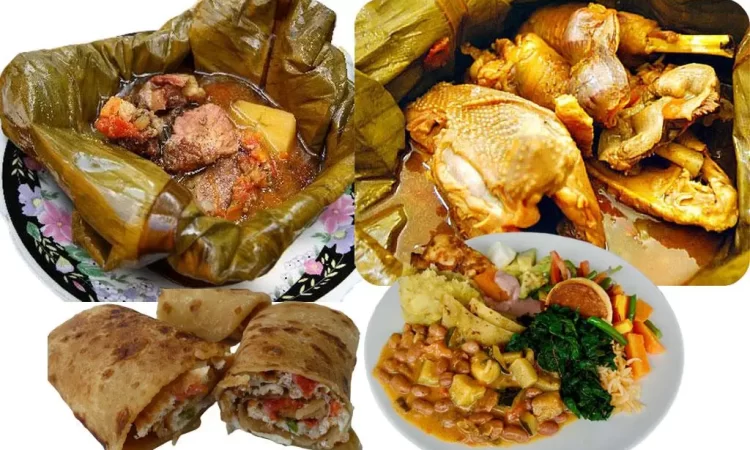
No discussion of traditional Ugandan food is complete without beginning with matoke. This is the undisputed national dish — steamed or boiled green bananas (a savory variety, not the sweet banana you’re used to) mashed to a smooth, buttery consistency and often wrapped in banana leaves during cooking. The result is a pale yellow, creamy dish with a subtle, starchy flavor that pairs perfectly with nearly every Ugandan sauce or stew.
Matoke is served at everything from roadside eateries to upscale safari lodges. You’ll find it accompanied by groundnut (peanut) sauce, beef stew, or a rich tomato and onion gravy. If you’re visiting western Uganda as part of your gorilla trekking safari, matoke is an especially beloved staple in the Kigezi highlands around Bwindi, where banana plantations dominate the landscape. Eating matoke in that setting, surrounded by rolling green hills, is nothing short of magical.
Groundnut Stew — Uganda’s Most Beloved Sauce
Groundnut stew, known locally as “ebinyebwa” among the Baganda people, is a thick, rich sauce made from roasted and ground peanuts cooked with onions, tomatoes, and sometimes smoked fish or chicken. The result is a deeply savory, creamy stew that is absolutely addictive. It is poured generously over matoke, rice, posho (maize porridge), or cassava and eaten with the hands or a spoon depending on the setting.
The beauty of groundnut stew is how it brings together the simplest of ingredients into something that tastes incredibly complex and satisfying. For tourists, this is usually the dish that converts skeptics into lifelong fans of Ugandan food. If you’re planning a Uganda safari that takes you into rural communities, ask your guide to recommend a local restaurant where groundnut stew is made the traditional way — slow-cooked over charcoal with fresh-ground peanuts.
Rolex — Uganda’s Beloved Street Food
Don’t let the name fool you — a Ugandan Rolex has nothing to do with the Swiss watch brand. This iconic street food is made by wrapping a chapati (East African flatbread) around a freshly cooked egg omelette filled with vegetables like tomatoes, onions, and cabbage. The name is a playful contraction of “rolled eggs.” It is fast, affordable, filling, and absolutely delicious.
The Rolex was born on the streets of Kampala and has since become a symbol of Ugandan food culture that tourists absolutely love. You’ll find Rolex vendors at busy road junctions, markets, and near bus parks throughout the country. It costs next to nothing, tastes incredible, and gives you a genuine taste of everyday Ugandan life. When you book your airport transfer or city ride with Pick and Transfer, ask your driver to stop at a trusted Rolex stall — it’s the perfect introduction to Uganda’s street food scene.
Posho and Beans — Simple, Nutritious, and Filling
Posho, also called ugali in other parts of East Africa, is a thick, stiff porridge made from white maize flour. It is the most widely consumed carbohydrate in Uganda after matoke and is especially popular in urban areas and schools. On its own, posho is quite bland — but paired with a generous serving of kidney beans stewed in tomatoes, onions, and a hint of palm oil, it becomes a deeply satisfying and nutritious meal.
Posho and beans is the ultimate budget-friendly Ugandan dish. It’s the kind of meal that fuels farmers, students, and safari guides alike. Many tourists are surprised to discover how comforting and tasty this humble combination is. If you’re on an extended wildlife safari through Uganda’s national parks, you will very likely encounter posho and beans as part of your camp or lodge meals, and most travelers quickly grow fond of it.
Nile Perch and Fresh Tilapia — Gifts from Lake Victoria
Uganda is landlocked, but it sits on the shores of Lake Victoria — Africa’s largest lake — and the freshwater fish caught there are nothing short of spectacular. Nile perch and tilapia are the two most beloved fish in Ugandan cuisine, and they are prepared in a variety of delicious ways: grilled whole over charcoal, fried in spiced batter, or slow-cooked in a rich tomato sauce.
Eating fresh grilled tilapia on the shores of Lake Victoria, with the warm breeze coming off the water and the sounds of fishermen’s boats in the background, is one of those uniquely Ugandan experiences that no restaurant in the world can replicate. For tourists heading to Entebbe or Jinja as part of their travel itinerary, fresh fish from the lake is an absolute must. The Pick and Transfer fleet can get you comfortably to the lakeside fishing villages where the freshest fish is served straight from the boat.
Muchomo — The Art of Ugandan Grilling
Muchomo simply means “roasted meat” in Luganda, and it refers to the beloved tradition of grilling meat — usually goat, beef, or pork — over an open charcoal fire. The meat is seasoned simply with salt and sometimes marinated in local herbs, then slow-roasted until the outside is perfectly charred and the inside is juicy and tender. Muchomo is served with a side of roasted plantains (gonja) and sometimes a chili dipping sauce.
You’ll find muchomo at roadside grills, night markets, and festive celebrations across Uganda. It’s the kind of food that gathers people together — fragrant smoke rising into the evening sky, the sizzle of meat on hot coals, and the sound of laughter and conversation. For tourists wanting to experience Uganda beyond the national parks, stopping for muchomo at a local grill is a cultural highlight in itself.
Millet Bread (Kalo) and Sim-Sim — A Taste of Traditional Uganda
In northern and western Uganda, kalo — a dense, dark bread made from millet flour — is a traditional staple that has been eaten for centuries. It is heavier and earthier than matoke or posho, with a distinctly nutty flavor, and is typically eaten with sesame seed paste (sim-sim) or local vegetable stews. Kalo is rich in iron and fiber, and its hearty texture makes it the perfect accompaniment to a slow-cooked meat sauce or a vegetable curry.
Sim-sim paste, made from toasted and ground sesame seeds, is another underrated gem of Ugandan food. It can be eaten as a dip, stirred into porridge, or used as a sauce base, and it has a wonderful toasty depth of flavor that lingers warmly on the palate.
Where to Eat Traditional Ugandan Food as a Tourist
The best traditional Ugandan food is found not in fancy hotel restaurants but in local eateries called “restaurants” or “lodges” (small local food stalls) near markets, villages, and community centers. Kampala, Jinja, Mbale, and Mbarara all have excellent local food scenes with plenty of authentic options. When traveling to Uganda’s national parks, many tour operators and local guides can connect you with community kitchens or village homestays where traditional meals are lovingly prepared.
If you’re planning a comprehensive Uganda visit that combines food, culture, and wildlife, Kenlink Tours offers expertly guided safari packages that can be tailored to include authentic cultural and culinary experiences alongside your gorilla trekking and game drives.
Plan Your Uganda Food Adventure with Pick and Transfer
Exploring traditional Ugandan food is best done with a reliable travel partner by your side — someone who knows the roads, understands the culture, and can get you safely between markets, local restaurants, and national parks. At Pick and Transfer, we have been proudly serving travelers across Uganda, Rwanda, and Kenya since 2006. Our professional drivers, comfortable vehicles, and deep local knowledge make us the ideal companion for your Ugandan food and safari journey.
Whether you need an airport transfer from Entebbe, a reliable ride to the shores of Lake Victoria for fresh fish, or a full safari vehicle to explore Uganda’s magnificent national parks, we are here to make every moment of your trip smooth, safe, and unforgettable. Get in touch with our team today and let us help you craft the Uganda adventure you’ve always dreamed of — one incredible meal at a time.
Uganda is more than a destination — it is an experience for all the senses. And it always begins, wonderfully, at the table.
Related posts




Leave a Comment