
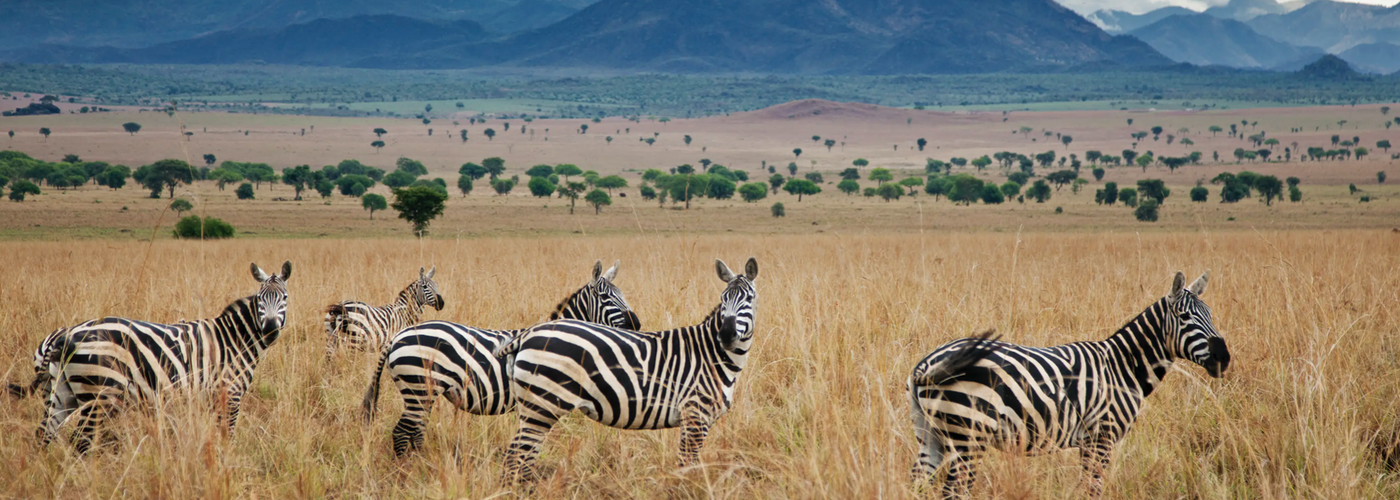
Wildlife Conservation Projects in Uganda. Uganda is one of Africa’s most extraordinary biodiversity hotspots. Nestled along the equator and cradling the Albertine Rift, this remarkable nation shelters more than half of the world’s remaining mountain gorillas, 1,000+ bird species, and a staggering array of mammals, reptiles, and plant life. Yet this natural wealth faces constant pressure from habitat loss, poaching, and population growth. Thankfully, a growing number of conservation projects are working tirelessly to protect Uganda’s wildlife heritage — and responsible tourism is a powerful engine fueling that mission.
Whether you are planning a safari or simply passionate about conservation, understanding these projects will deepen your appreciation for Uganda’s wild places. At Pick and Transfer Safaris, we believe that every journey through Uganda’s national parks should leave a positive footprint. Here is a look at the most impactful wildlife conservation projects shaping Uganda’s future.
1. Mountain Gorilla Conservation — Bwindi Impenetrable National Park
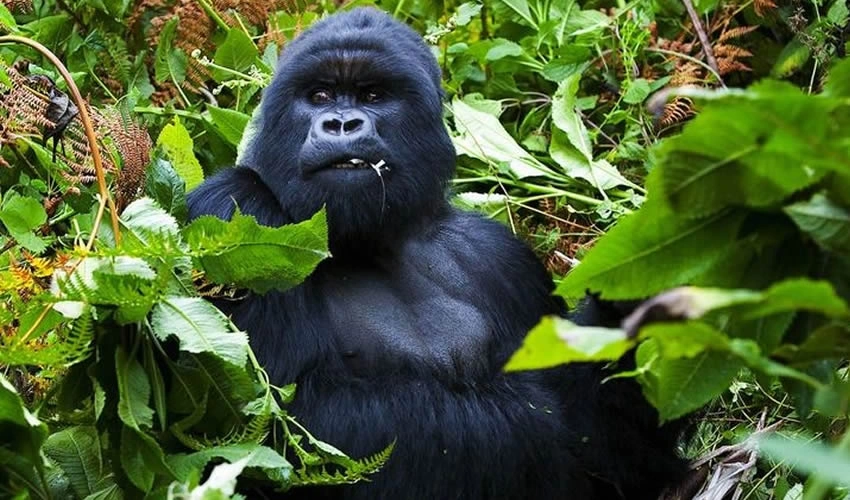
Few conservation success stories in Africa are as inspiring as that of the mountain gorilla. In the 1980s, fewer than 300 individuals remained on Earth. Today, thanks to decades of dedicated protection, that number has grown to over 1,000 — a milestone celebrated by conservationists worldwide.
Bwindi Impenetrable National Park and Mgahinga Gorilla National Park are the twin pillars of gorilla conservation in Uganda. The Uganda Wildlife Authority (UWA), in partnership with international organizations such as the Dian Fossey Gorilla Fund and WWF, manages habituation programs, anti-poaching units, and veterinary care for injured or sick gorillas.
A cornerstone of this success is the gorilla trekking permit system, which channels revenue directly into park management and surrounding community programs. When visitors book a gorilla trekking adventure with trusted operators like Kenlink Tours, a significant portion of their permit fees supports ranger salaries, forest monitoring, and habitat protection. This direct link between tourism and conservation is why gorilla populations continue to grow.
Responsible travelers can explore Bwindi’s lush terrain knowing that their visit funds the very rangers who patrol these forests day and night. Our wildlife safaris at Pick and Transfer are crafted to ensure you experience these landscapes with minimal environmental impact while maximizing your contribution to conservation.
2. Chimpanzee Tracking and Kibale Forest Conservation
Uganda is home to the largest population of chimpanzees in East Africa, with Kibale National Park serving as the continent’s undisputed “Primate Capital of the World.” Over 1,500 chimpanzees inhabit Kibale’s dense tropical forest, alongside 12 other primate species including red-tailed monkeys, olive baboons, and grey-cheeked mangabeys.
Conservation efforts in Kibale focus on several fronts: anti-snare patrols, reforestation of degraded forest corridors, and community education programs that help local farmers coexist peacefully with wildlife. The Kibale Chimpanzee Project, one of the longest-running primate research initiatives in Africa, has been monitoring chimpanzee behavior and ecology since 1987, providing invaluable data that informs forest management decisions.
Visitors can participate in chimpanzee tracking experiences organized by specialist operators like Kenlink Tours, with knowledgeable guides who explain the science behind conservation while leading you through the forest canopy. The experience is both humbling and electrifying, offering a window into our closest living relatives’ complex social lives.
3. Queen Elizabeth National Park — Big Game Conservation
Straddling the equator in western Uganda, Queen Elizabeth National Park is one of Africa’s most biodiverse protected areas. Home to elephants, lions, hippos, leopards, and the famous tree-climbing lions of the Ishasha sector, the park is a stronghold for large mammal conservation in the Great Lakes region.
Conservation challenges here include human-wildlife conflict along the park’s boundaries, where elephants raid crops and lions occasionally prey on livestock. UWA’s community conservation programs work directly with villages bordering the park, offering compensation schemes, elephant deterrent training, and community ranger programs that give local people a direct stake in wildlife protection.
Ecotourism plays a massive role in sustaining these efforts. A 3-day wildlife encounter at Queen Elizabeth National Park puts travelers directly in the heart of this conservation landscape, where every game drive and boat safari on the Kazinga Channel supports park operations. To arrange your transport to this iconic park seamlessly, you can book a transfer with Pick and Transfer and let our professional drivers handle every kilometer of the journey.
4. Murchison Falls — Northern Uganda’s Wildlife Lifeline
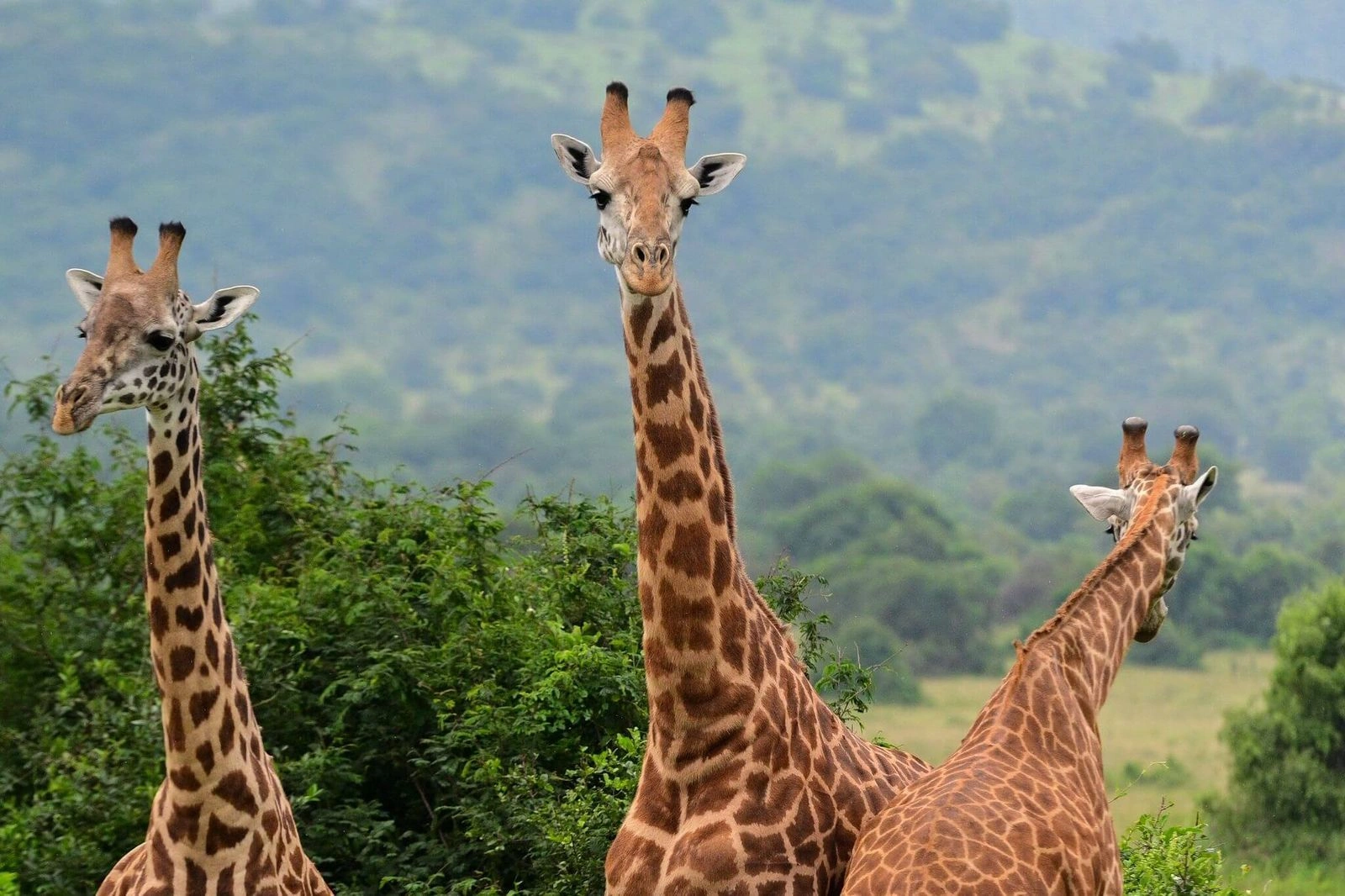
Murchison Falls National Park, Uganda’s largest protected area, straddles the dramatic point where the Nile River squeezes through a 7-meter gorge to create one of the world’s most powerful waterfalls. The park shelters large herds of elephants, Rothschild’s giraffes (one of the world’s most endangered giraffe subspecies), buffaloes, and a healthy lion population.
Conservation at Murchison falls under a collaborative management model involving UWA, the Wildlife Conservation Society (WCS), and the African Wildlife Foundation (AWF). Key priorities include anti-poaching enforcement, which has dramatically reduced the illegal ivory trade in the region, and giraffe population monitoring alongside the Giraffe Conservation Foundation.
The park also hosts a thriving rhino sanctuary at Ziwa Rhino Sanctuary, the only place in Uganda where you can encounter the endangered southern white rhino on a guided walking track. Ziwa’s breeding program has slowly grown Uganda’s rhino population from zero — the last native rhinos were poached in the 1980s — to a small but growing herd. This remarkable recovery stands as proof that conservation investment yields results.
Exploring Uganda’s incredible national parks with an expert guide ensures you understand not just what you see, but why it matters. For groups and families, our comfortable fleet of safari vehicles is perfectly suited for long drives to northern Uganda’s wild frontiers.
5. Community-Based Conservation — Putting People at the Center
Perhaps the most important lesson from decades of wildlife conservation in Uganda is this: no project succeeds long-term without the support of local communities. When forests are protected at the expense of the people who live alongside them, resentment grows and poaching increases. When communities benefit from conservation, they become its most dedicated defenders.
Uganda’s most innovative conservation models embrace this reality fully. Around Bwindi, the Mgahinga and Bwindi Impenetrable Forest Conservation Trust (MBIFCT) funds schools, health clinics, and clean water projects using income from gorilla tourism. In the Albertine Rift, multiple honey cooperatives and craft enterprises give women in villages bordering national parks a sustainable income linked to forest health.
Tourism operators like Kenlink Tours actively support community projects, channeling a portion of safari revenue toward orphan support programs and local school materials. This philosophy mirrors our values at Pick and Transfer, where we believe that responsible travel means contributing meaningfully to the places we visit.
6. Birding Conservation — Protecting Uganda’s Avian Diversity
Uganda’s 1,066 recorded bird species make it one of the top birding destinations on the planet. From the iconic Shoebill stork gliding over Mabamba Swamp to the African Green Broadbill hidden in Bwindi’s misty canopy, the country’s avifauna is extraordinary. Conservation of Uganda’s birds is closely tied to protecting wetlands, forests, and grasslands under pressure from agriculture and urban expansion.
Birdwatching safaris, wetland restoration projects, and Important Bird Area (IBA) designations managed by Nature Uganda all contribute to avian conservation. Travelers who choose eco-certified tour operators and accommodation providers directly support the wetland monitoring that protects species like the Shoebill and the Grey Crowned Crane, Uganda’s national bird and a globally threatened species.
How You Can Contribute to Wildlife Conservation in Uganda
Every responsible traveler who visits Uganda’s national parks makes a difference. Here are practical ways to ensure your safari leaves a positive conservation legacy:
- Choose certified operators registered with the Uganda Tourism Board (UTB) and the Uganda Wildlife Authority, ensuring your fees are properly channeled.
- Respect wildlife distances — maintain the recommended distances from primates to reduce stress and disease transmission risk.
- Support community enterprises — buy crafts, honey, and coffee from village cooperatives directly linked to conservation programs.
- Stay longer — the longer your stay, the more revenue flows to parks and local communities, amplifying your conservation impact.
- Travel with experts — guided safaris with knowledgeable naturalists deepen your understanding and ensure best practices are followed throughout.
Ready to experience Uganda’s extraordinary wildlife while contributing to its protection? Explore our safari packages at Pick and Transfer or contact our team today to start planning a journey that is as meaningful as it is unforgettable. We are proud to connect travelers with the wild heart of Africa — responsibly, passionately, and with deep respect for the ecosystems we are privileged to explore.
Related posts


Leave a Comment