
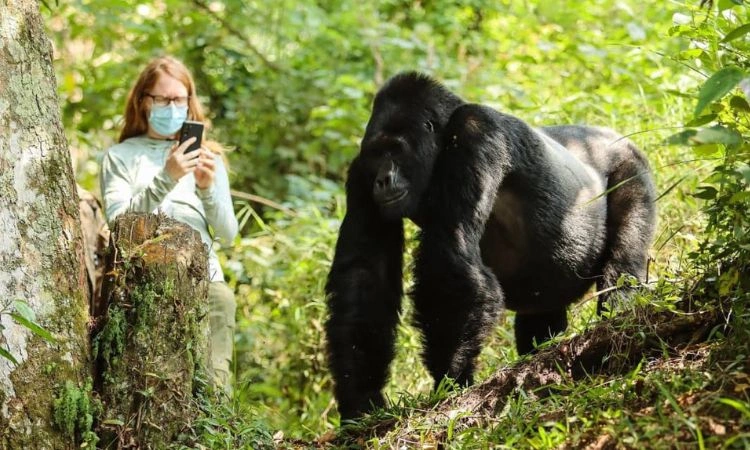
Gorilla Trekking and Cultural Tourism Benefits. Imagine standing in the heart of an ancient rainforest, the mist curling around towering trees, the air thick with the scent of damp earth — and then, just a few metres away, a mountain gorilla locks eyes with you. That single, breathtaking moment is why thousands of travellers from every corner of the world make their way to Uganda and Rwanda each year.
But gorilla trekking is only half the story. Woven into every safari experience is a rich tapestry of local culture — from the vibrant traditions of the Batwa pygmies to the rhythmic drumming of Kigali’s village performers. Together, gorilla trekking and cultural tourism create one of the most meaningful, life-changing travel experiences on the planet.
At Pick and Transfer Safaris, your trusted Uganda and Rwanda safari specialists, we believe travel should connect you not just with nature, but with the people and stories that make East Africa so extraordinary. Here’s everything you need to know about gorilla trekking and the profound benefits of cultural tourism in this remarkable corner of Africa.
What Is Gorilla Trekking and Why Is It So Special?
Gorilla trekking is a guided hike through dense mountain forest in search of habituated mountain gorilla families. Once located, visitors are permitted to spend one carefully regulated hour in the presence of these magnificent primates — observing their behaviours, listening to their calls, and experiencing a connection with our closest living relatives that words rarely do justice.
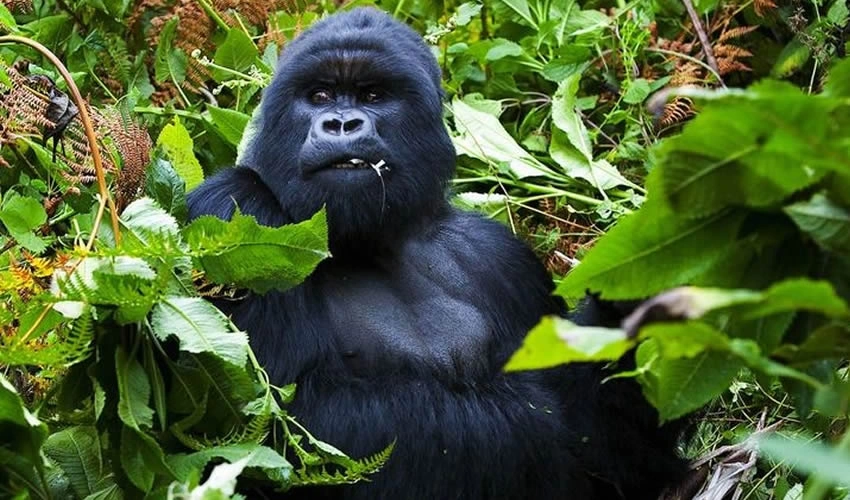
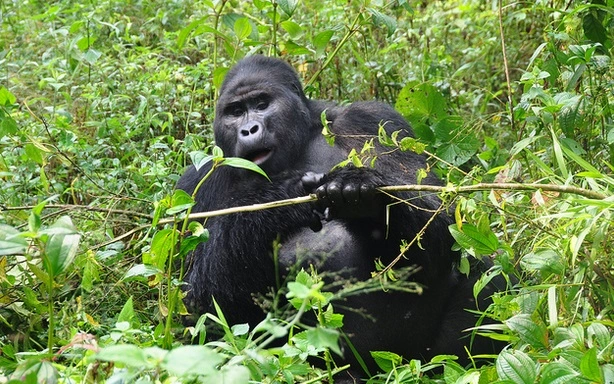
Uganda and Rwanda are home to more than half of the world’s remaining mountain gorillas — a species that numbers fewer than 1,100 individuals in the wild. Uganda’s Bwindi Impenetrable National Park and Mgahinga Gorilla National Park, along with Rwanda’s Volcanoes National Park, are the primary destinations for gorilla trekking, and each offers its own distinct forest landscape and gorilla family encounters.
The experience is deeply personal. No two treks are the same. You might spend your hour watching a silverback assert dominance, or observing playful juveniles tumble down hillsides while their mothers look on patiently. For many travellers, the encounter reshapes their understanding of wildlife conservation — and their place in the natural world.
The Benefits of Gorilla Trekking Tourism for Conservation
One of the most compelling arguments for gorilla trekking tourism is the direct impact it has on gorilla conservation. Gorilla trekking permits — which cost USD 800 in Uganda and USD 1,500 in Rwanda — generate millions of dollars annually that fund anti-poaching patrols, ranger salaries, habitat protection, and gorilla veterinary care.
Thanks largely to the revenue generated by responsible wildlife tourism, mountain gorilla populations have actually grown in recent decades — making them one of the very few great ape species whose numbers are increasing. This is a remarkable conservation success story, and every trekker who visits contributes directly to it.
If you’re looking to explore a well-curated gorilla experience, the 3-Day Uganda Gorillas Safari by Kenlink Tours offers an expertly guided introduction to Bwindi, with all logistics handled seamlessly. For a more extended adventure, their 7-Day Gorilla and Wildlife Safari combines gorilla trekking with Uganda’s finest game parks — perfect for travellers who want to experience the full breadth of Uganda’s extraordinary wildlife.
Cultural Tourism: Connecting With the Heart of East Africa
Beyond the gorillas, Uganda and Rwanda are home to dozens of distinct ethnic communities, each with their own languages, music, dance forms, craft traditions, and spiritual practices. Cultural tourism offers travellers the rare privilege of stepping into these living traditions — not as passive observers, but as welcomed guests.
The Batwa Experience is perhaps the most powerful cultural encounter linked to gorilla trekking. The Batwa are the indigenous forest people of Bwindi and Mgahinga, who lived within these forests for thousands of years before they were relocated to protect the gorilla habitat. Today, Batwa cultural guides lead visitors through forest demonstrations of traditional fire-making, honey harvesting, medicinal plant use, and hunting techniques — sharing a way of life that is ancient, dignified, and slowly disappearing. The entrance fees paid by visitors go directly to Batwa community funds, helping sustain their livelihoods.
In Rwanda, cultural immersion takes on a different flavour. Visitors to Volcanoes National Park can visit the Iby’Iwacu Cultural Village — a community-run experience featuring traditional dance performances, banana beer tasting, and craft demonstrations by local women’s cooperatives. Rwanda’s emphasis on community-based tourism means that the benefits of gorilla tourism reach far into the surrounding villages.
To explore Rwanda’s gorilla and cultural offerings, the 4-Day Rwanda-Uganda Golden Monkey and Gorilla Trekking tour by Kenlink Tours is an outstanding option, blending primate encounters with cross-border cultural discovery.
Economic Benefits: How Tourism Transforms Local Communities
Cultural and gorilla tourism don’t just benefit conservation — they are powerful engines of economic development for local communities.
When a tourist treks for gorillas in Bwindi, a portion of the permit revenue is channelled directly to surrounding parishes through Uganda Wildlife Authority’s revenue-sharing programme. These funds have been used to build schools, health centres, and water supply systems across communities that border national parks. Local guides, porters, lodge staff, artisans, and farmers all benefit from the steady flow of tourism income.
Community craft markets near Bwindi sell handwoven baskets, wooden carvings, and traditional jewellery — giving women’s groups a reliable source of income while ensuring that authentic cultural products find their way into the hands of appreciative travellers.
The ripple effect is significant. A single gorilla trek generates income for a park ranger, a porter, a lodge cook, a craft seller, and a local driver — all in a single day. For communities in some of Uganda’s poorest regions, wildlife tourism has been genuinely transformative.
Explore our Uganda and Rwanda safari packages at Pick and Transfer to see how we build itineraries that support local communities at every step of the journey.
Why Uganda and Rwanda Are the World’s Premier Gorilla Destinations
Uganda and Rwanda offer complementary gorilla trekking experiences that appeal to different types of travellers.
Uganda is known for its affordability relative to Rwanda, its wild and rugged forest landscapes, and the sheer number of habituated gorilla families available for trekking. Bwindi Impenetrable National Park alone has more than 20 habituated gorilla groups spread across four trekking sectors — Buhoma, Ruhija, Rushaga, and Nkuringo. Uganda is also home to chimpanzee tracking, tree-climbing lions in Queen Elizabeth National Park, and the legendary Murchison Falls — making it one of Africa’s most diverse safari destinations.
Learn more about what Uganda has to offer on Kenlink Tours’ Uganda destination guide, which covers everything from wildlife highlights to travel tips and visa requirements.
Rwanda is smaller, more compact, and increasingly positioned as a luxury tourism destination. Volcanoes National Park offers gorilla treks that can be combined with Dian Fossey’s research sites, golden monkey tracking, and stunning volcano hikes. Rwanda’s exceptional road infrastructure and Kigali’s world-class airport make it an easy entry point for international travellers, and its gorilla permit — while more expensive — comes with the added allure of a streamlined, premium experience.
For those who want to explore Rwanda’s extraordinary landscapes and primate encounters, Kenlink Tours’ Rwanda Safaris page is an excellent resource.
Planning Your Gorilla Trek: Practical Tips for First-Time Visitors
Book your gorilla permits well in advance. Permits sell out months ahead, especially during peak season (June–September and December–February). Working with a reputable tour operator ensures your permit is secured before you travel.
Get fit before you go. Gorilla treks can range from one to eight hours depending on where the gorilla family has moved. A basic level of fitness is recommended, and a porter — which you should always hire — will carry your pack and offer a steadying hand on steep terrain.
Pack the right essentials. Sturdy waterproof hiking boots, long trousers, long-sleeved shirts, a rain jacket, and insect repellent are non-negotiables in the forest. A good camera with a fast lens will capture those unforgettable moments in low forest light.
Respect the gorillas and the rules. Maintain a minimum distance of seven metres, avoid direct eye contact with silverbacks, lower your voice, and follow your ranger guide’s instructions at all times. The rules exist to protect the gorillas — and you.
Book Your East African Adventure With Pick and Transfer
Whether you’re arriving in Kampala, flying into Kigali, or transferring between destinations across Uganda and Rwanda, Pick and Transfer Safaris is your trusted partner for seamless, personalised East African travel. From comfortable airport transfers and self-drive car hire to fully guided gorilla trekking packages, we handle every detail so you can focus on the experience.
Our fleet of well-maintained safari vehicles is purpose-built for Uganda and Rwanda’s diverse terrain — from city streets to forest tracks. Browse our vehicle fleet to find the right option for your journey, and get in touch with our team to start planning your gorilla trekking adventure today.
Gorilla trekking and cultural tourism in East Africa are more than just a holiday — they are a profound act of conservation, community support, and human connection. When you trek for gorillas in Bwindi or Volcanoes National Park, you leave behind something far more valuable than footprints. You leave a lasting contribution to one of the world’s most urgent and inspiring wildlife stories.
Related posts

Leave a Comment